









Our Mission and Vision
InfiX.ai is pioneering collaborative generative AI through low-resource training, model fusion, GUI agents, and multimodal intelligence.
Mission
At InfiX.ai, we believe in making AI more accessible, efficient, and capable. Our research focuses on developing innovative techniques that push the boundaries of what AI systems can achieve while maintaining practical applicability.
Vision
We are not only building another model - We are building the system that builds all models.


Research Focus
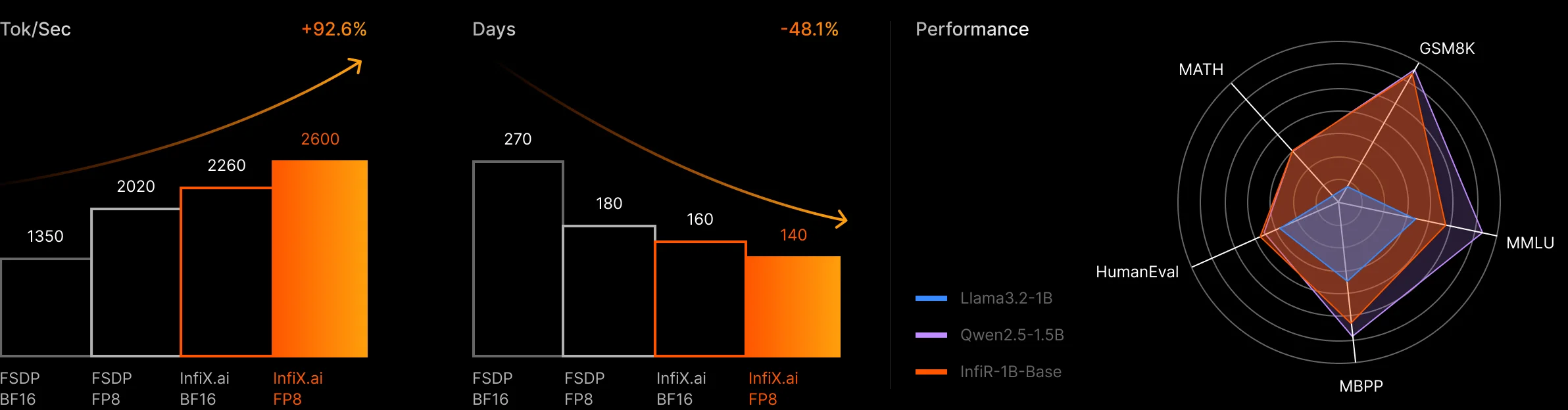
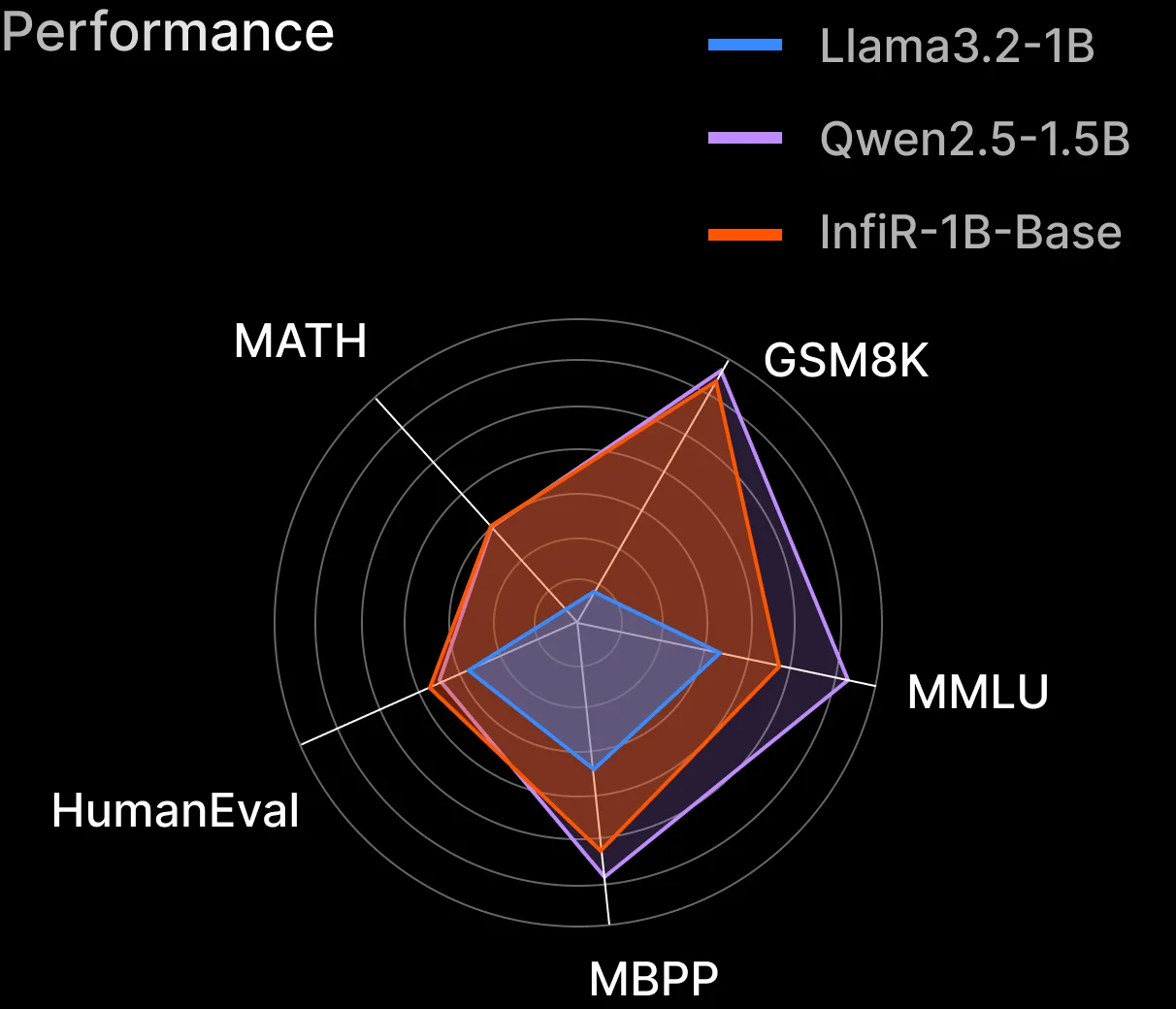
Low-Precision Training & Efficient Inference
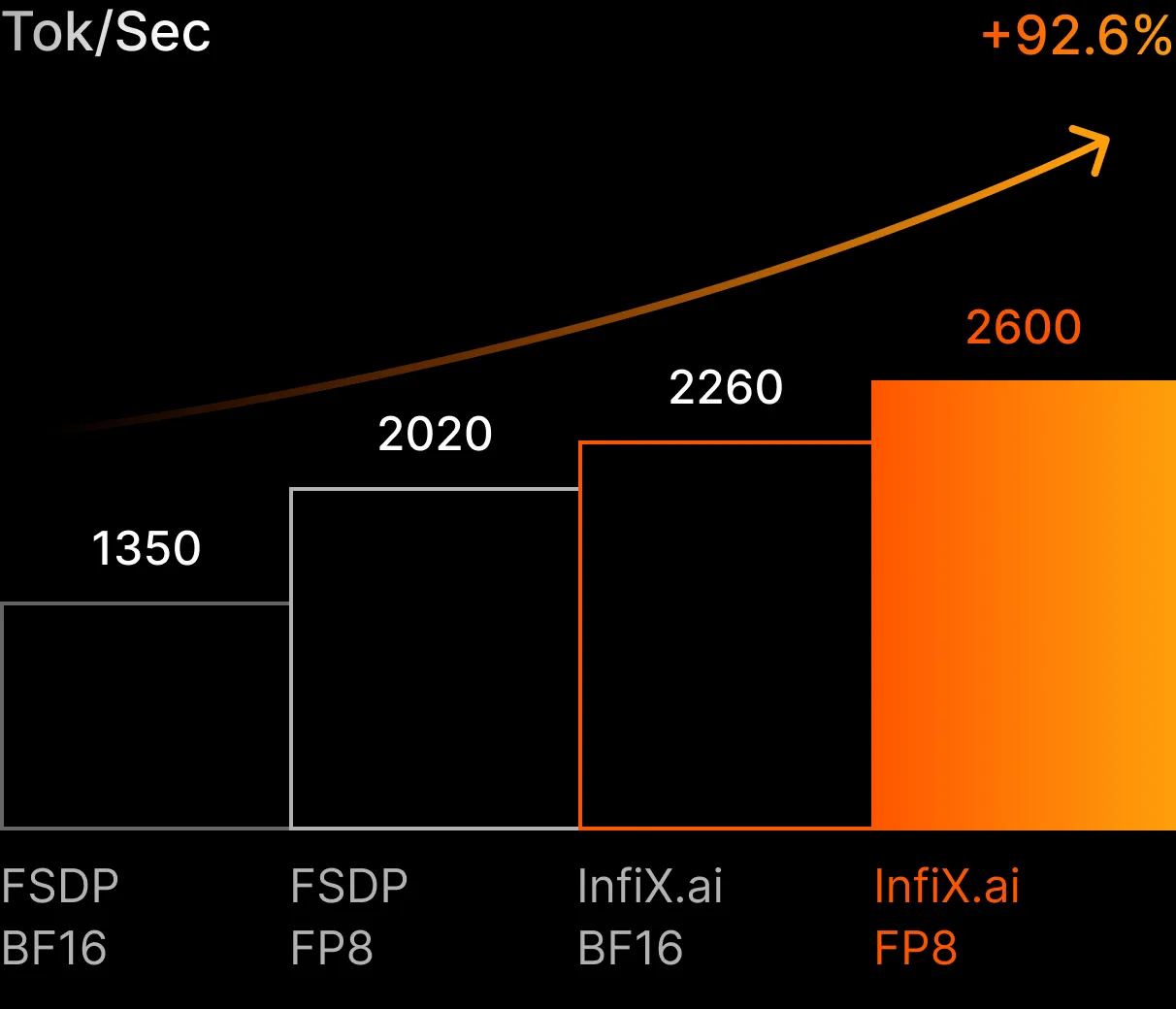
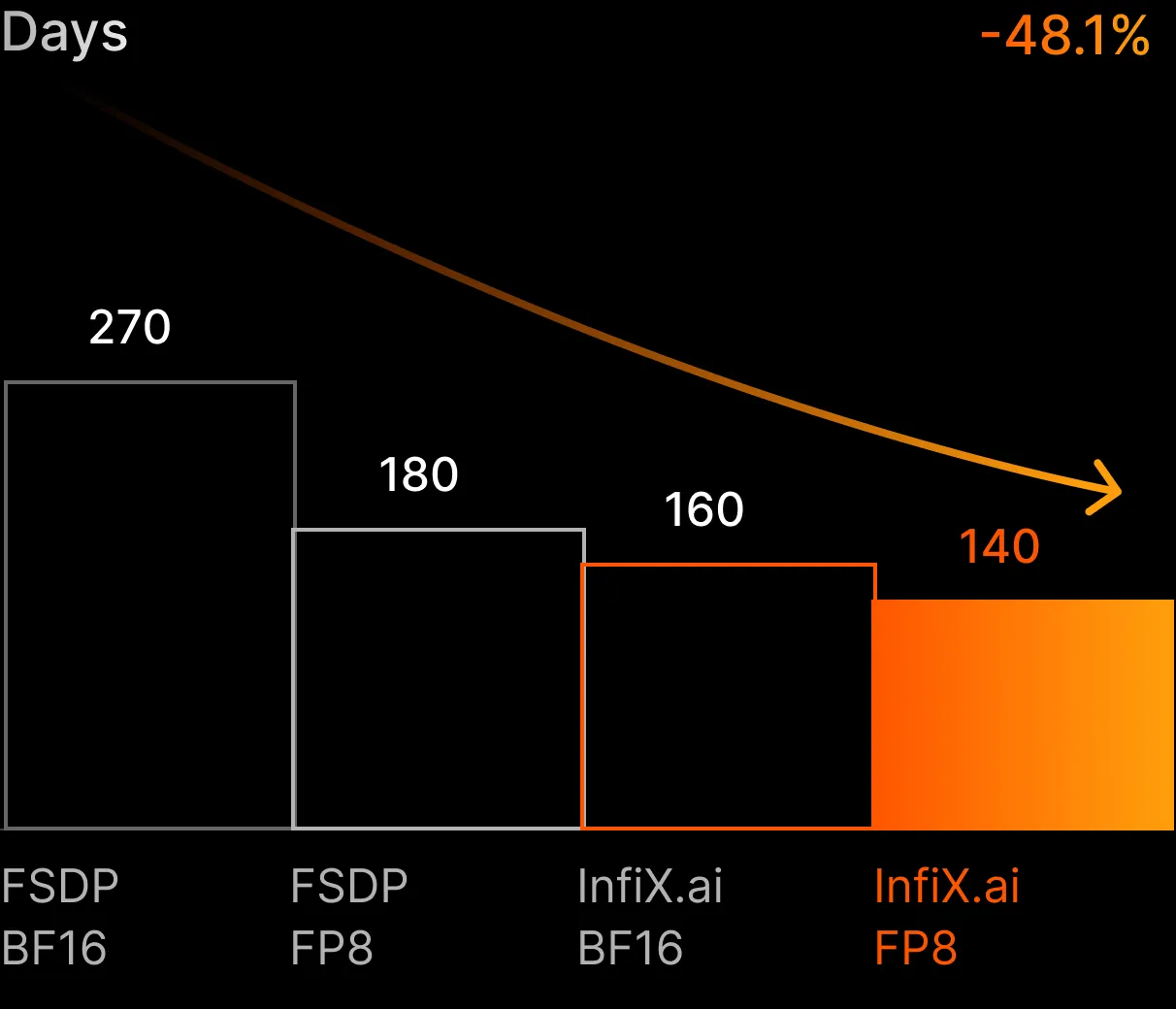
Achieve near-BF16 accuracy with significantly greater efficiency. Compared with traditional FSDP, InfiX.ai cuts training time by 48.1%, boosts training speed by 92.6%, and reduces memory pressure and inference costs.
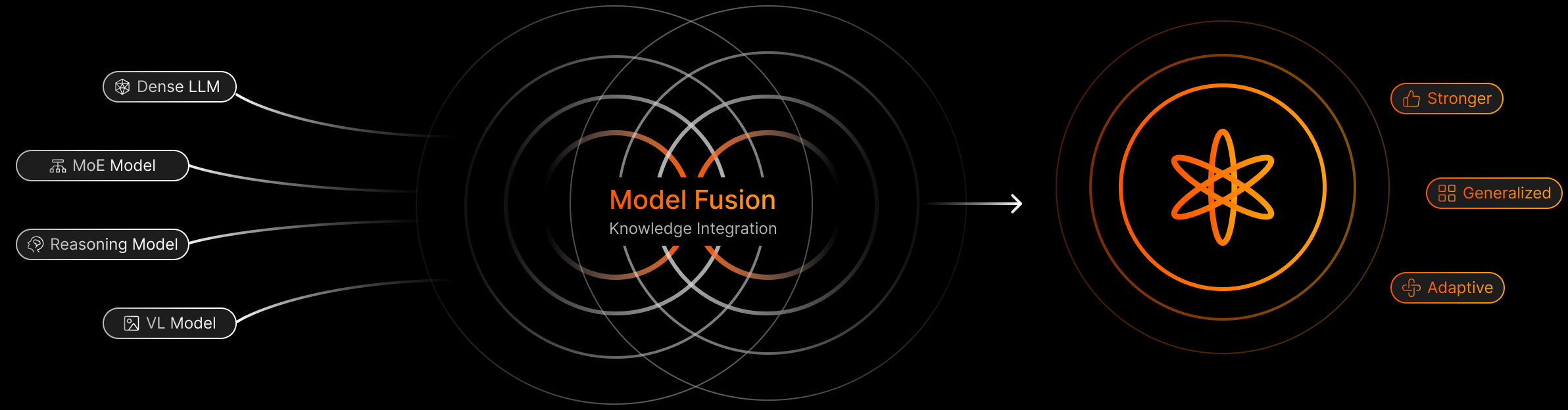
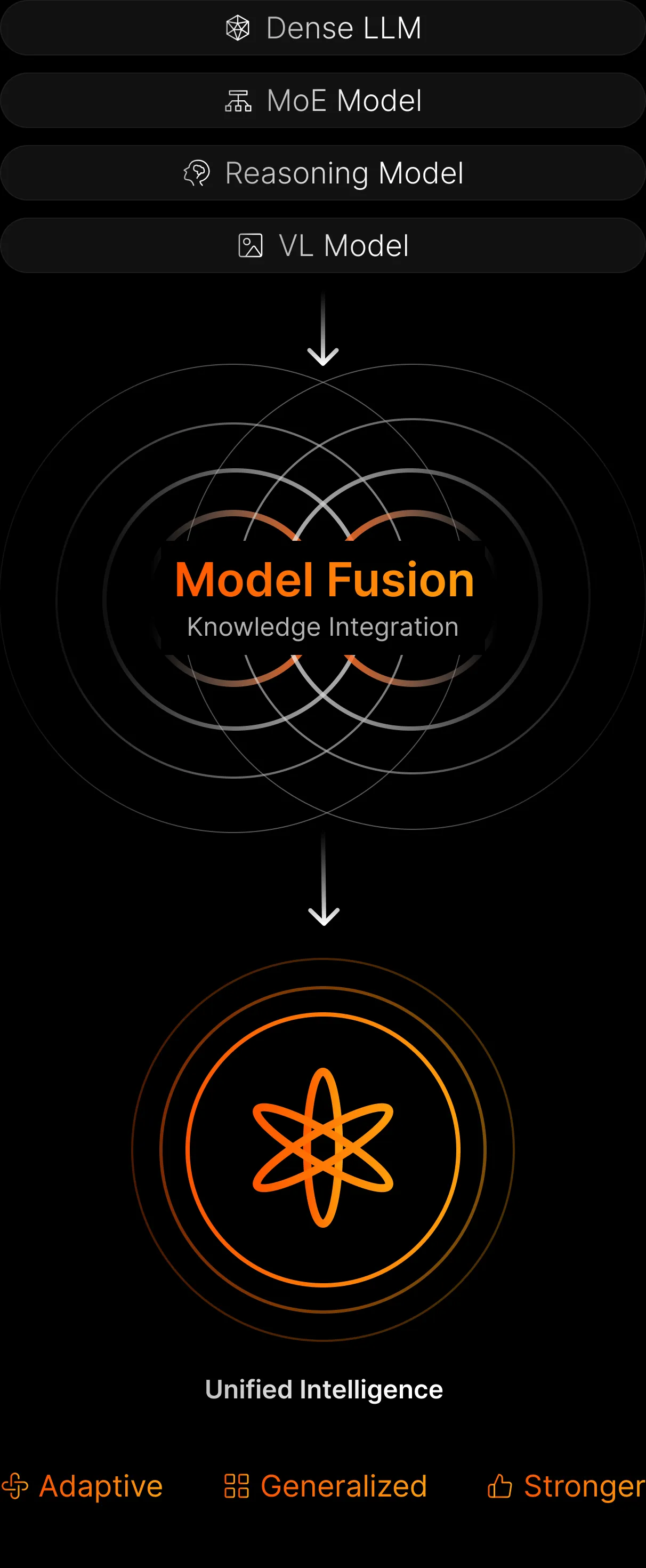
Model Fusion & Model Merging
Fuse model strengths into stronger Expert AI without multi-model inference overhead. Support fusion of 10B-scale foundation models across multiple domains, requiring only one ten-thousandth of the GPU hours needed for full pretraining.
Latest Research







Build your own Expert AI
with FP8-powered InfiXspeed.
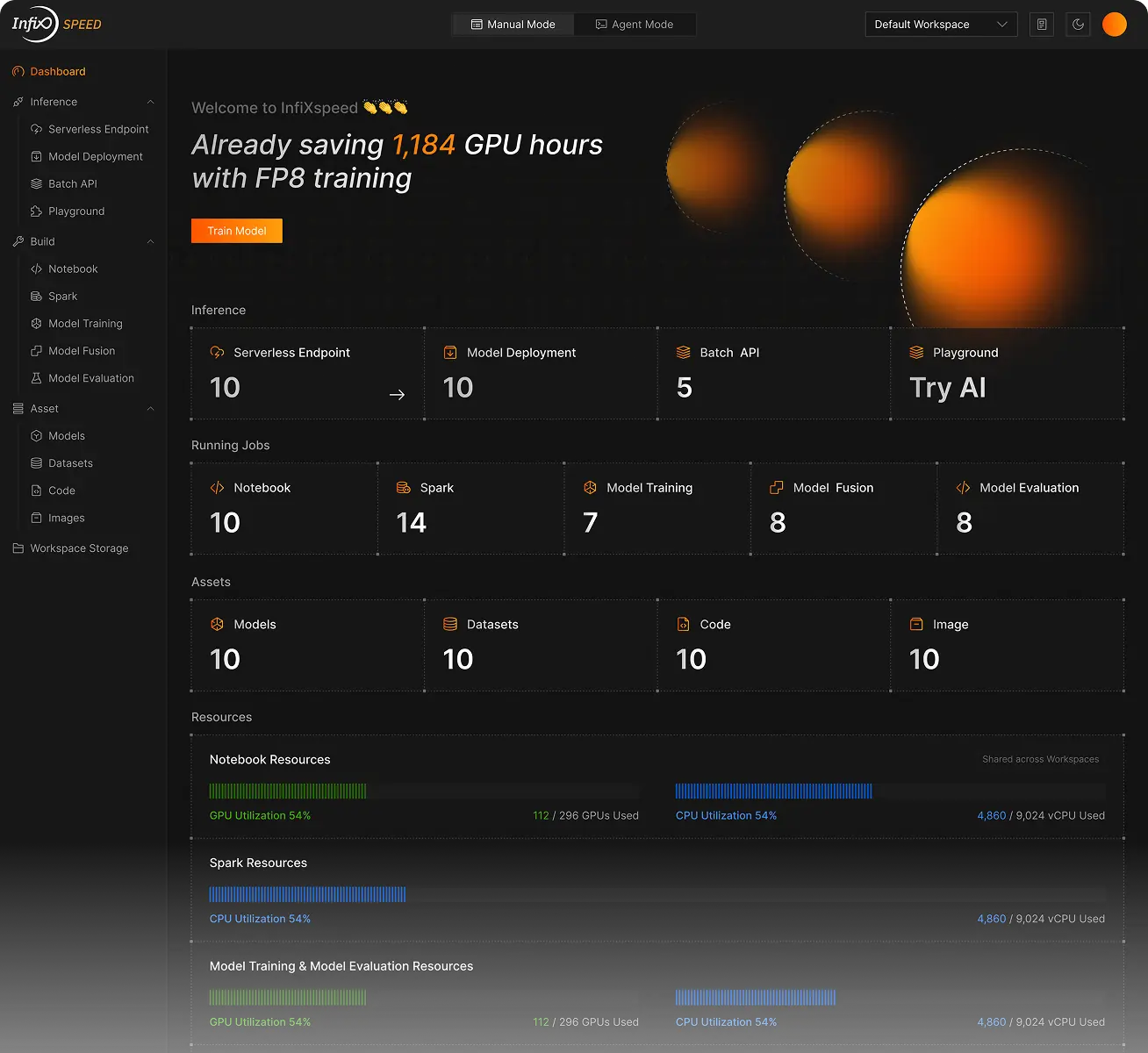
InfiXspeed is InfiX.ai's enterprise platform for efficient domain AI development. It helps organizations turn proprietary data, business workflows, and expert knowledge into domain-specific Expert AI that can be trained, evaluated, and deployed in secure, controlled environments.
Learn more
Build your own Expert AI
with FP8-powered InfiXspeed.
InfiXspeed is InfiX.ai's enterprise platform for efficient domain AI development. It helps organizations turn proprietary data, business workflows, and expert knowledge into domain-specific Expert AI that can be trained, evaluated, and deployed in secure, controlled environments.
Learn more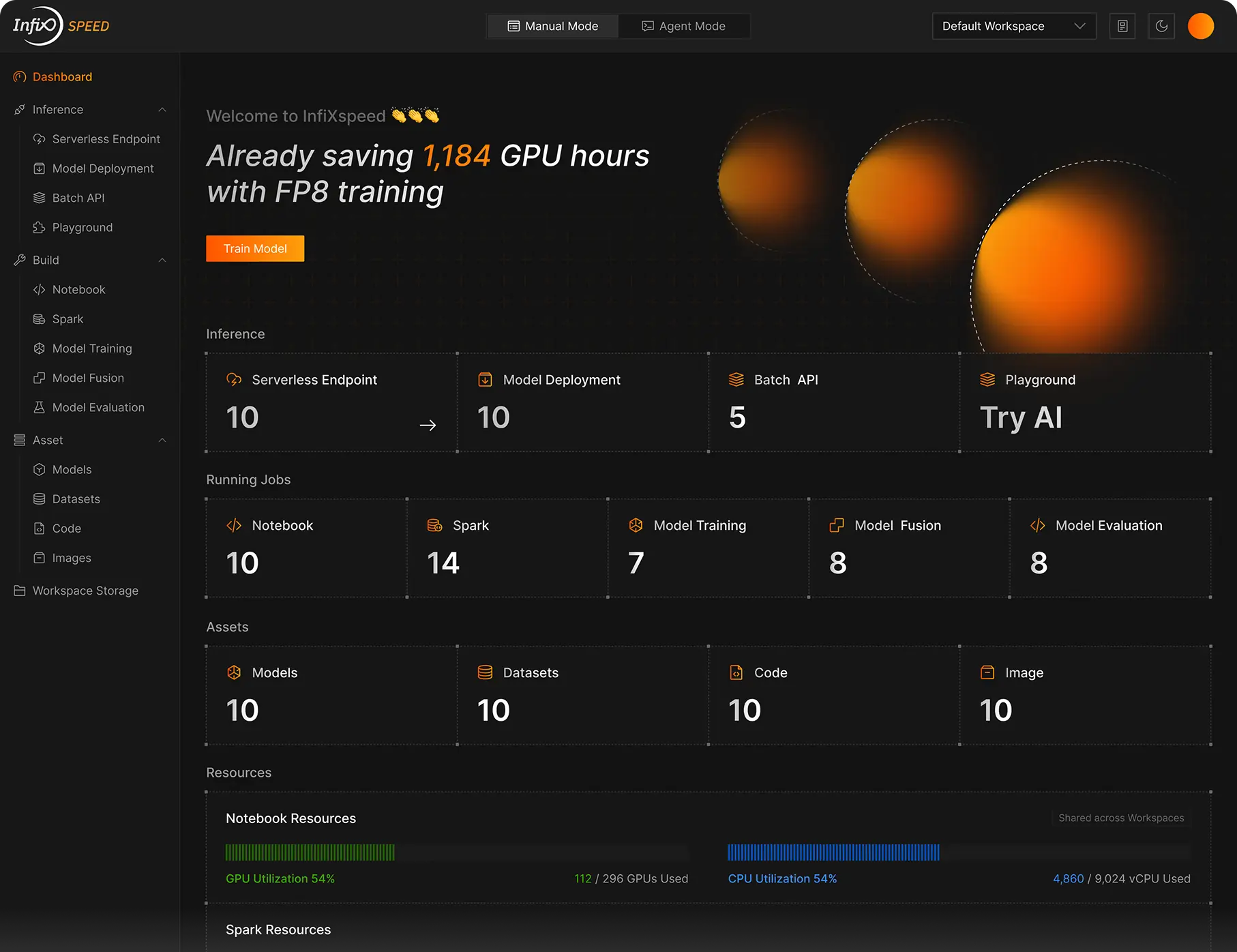
Latest News
InfiX.ai Wins BEYOND Best of Innovation Awards 2026 for InfiCube, Showcasing Enterprise AI Infrastructure Innovation
BEYOND Expo Live Coverage
PolyU and Anker Innovations establish joint laboratory to accelerate commercialisation of smart home products
The HONG KONG POLYTECHNIC UNIVERSITY, THE NATIONAL TRIBUNE, THE MIRAGE NEWS
Making powerful generative AI cheaper and more collaborative
Croucher Foundation

See InfiX.ai in Action
Explore More About Us


Contact Us
contact@infix.io